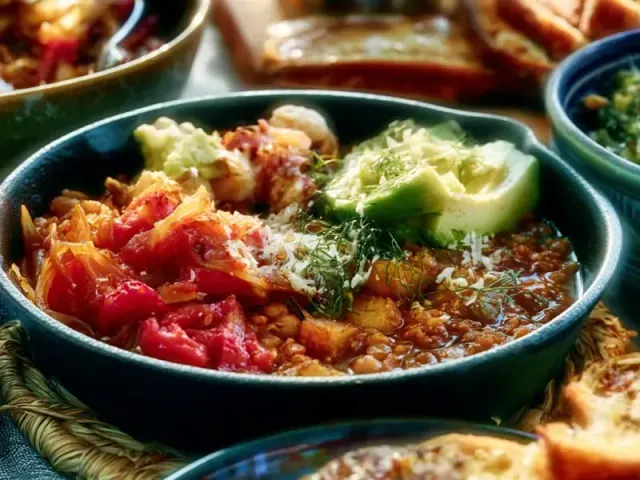
Simple Vegan Make Ahead Camping Dinner
The first time I packed a vegan camping dinner that didn't need a cooler, I was skeptical. Sweet potatoes, black beans, and a handful of spices — all sitting in a foil packet at room temperature for hours. But the moment I opened that packet over the fire, the smoky steam hit me, and I knew I had something solid. This is that dinner: a simple vegan make ahead camping dinner that travels without ice, cooks in its own packet, and tastes like you actually tried.

Why This Method Works for No-Fridge Camping
The key is ingredient choice. Sweet potatoes and onions are root vegetables that keep well at room temperature for days. Canned black beans are pre-cooked and shelf-stable — just drain and rinse. Frozen corn acts as a built-in cooling element when you pack it, but it thaws safely within a few hours and cooks perfectly in the packet. The lime juice and oil add moisture and acidity, which helps preserve the mixture without refrigeration. I keep the ratio at roughly 2 parts sweet potato to 1 part beans by volume — that gives you enough starch for energy and enough protein for staying power.
Building the Packets: Technique Matters
Dice the sweet potatoes into uniform 1/2-inch cubes. Uneven sizes mean some pieces will be raw while others turn to mush. I use a sharp chef’s knife and take my time — this is the only real prep work. Toss everything in a bowl until every cube is coated in the spice mixture. The smoked paprika is non-negotiable here; it gives that campfire depth even if you’re cooking on a stove.
Heavy-duty foil is essential. Regular foil tears easily when you flip the packet over hot coals. Lay out each sheet, mound the filling in the center, and fold tightly. Leave about an inch of air space inside — steam needs room to circulate. A common mistake is folding too loosely, which lets steam escape and dries out the vegetables. Crimp the edges twice, folding them over firmly. If you’re prepping at home, you can stack the sealed packets flat and carry them in a reusable bag.
Cooking at Camp: Fire, Stove, or Grill
Place the packets directly on hot coals (not flames) or on a camp stove grate over medium heat. If using a campfire, wait until the flames have died down and the coals are glowing orange with a thin layer of ash. Cook for 18-22 minutes, flipping once halfway. You’ll know they’re done when the packet puffs up slightly and feels firm when you press it with tongs. Open one carefully — direct the steam away from your face — and test a sweet potato cube with a fork. It should be tender all the way through. If it’s still firm, reseal and give it 2-3 more minutes.
On a camp stove, use a medium flame and check at 15 minutes. Every stove runs a little different. The visual cue is the same: the foil should feel hot and slightly inflated. Don’t let the flame lick up the sides of the packet — that can burn the foil and char the food inside.
Adapting for Dietary Needs
This recipe is naturally gluten-free and free of the top eight allergens. For a lower-carb version, replace the sweet potato with cauliflower florets cut to the same size. Cauliflower cooks faster — check at 12 minutes. If you want more protein, add 1/4 cup of shelled edamame (thawed) per packet. Edamame is shelf-stable if frozen but will thaw safely during transport. For a nut-free, soy-free option, stick with the black beans. Always check your spice labels for cross-contamination if you have severe allergies. For specific dietary concerns, consult a qualified professional.
Food Safety for No-Fridge Packets
These packets are safe at room temperature for up to 24 hours before cooking, provided the ambient temperature stays below 70°F. If you’re camping in summer heat or direct sun, keep the packets in a cooler without ice — the insulation alone will help. Once cooked, eat within 2 hours, or pack leftovers back into the cooler if you have ice. Do not reheat a cooked packet more than once. The sweet potatoes will turn mushy, and the risk of bacterial growth increases.
Variations to Keep It Interesting
Swap the black beans for chickpeas or canned lentils. Use diced bell peppers or zucchini in place of half the sweet potato. Add a tablespoon of nutritional yeast per packet for a cheesy flavor without dairy. For heat, toss in a minced jalapeño or a pinch of cayenne. The formula stays the same: 2 parts sturdy vegetable, 1 part legume, a splash of acid, and a fat to carry the spices.
Takeaway
This simple vegan make ahead camping dinner solves the no-fridge problem without sacrificing flavor or nutrition. The packets are easy to prep, carry, and cook over any heat source. Once you master the ratio and the folding technique, you can adapt it endlessly. That’s the real win — a method, not just a recipe.
Frequently Asked Questions
Can I make these packets without a campfire?
Yes. Cook them on a camp stove over medium heat, or in a 400°F oven at home before you leave. If pre-cooking, cool completely, then reheat in foil over a campfire or stove for 10 minutes.
Do I need to refrigerate the ingredients beforehand?
No. Sweet potatoes, onions, and canned beans are shelf-stable. Keep the frozen corn in a cooler if you want it cold, but it can sit in a sealed bag for a few hours at camp. The lime juice is fine at room temperature for a day.
How do I know when the sweet potatoes are done without a thermometer?
Pierce a cube with a fork through the foil opening. It should slide in easily with no resistance. If it’s still hard, reseal and cook 2-3 more minutes.
Can I add greens like spinach?
Yes. Add a handful of fresh spinach or kale to each packet before sealing. It will wilt during cooking. No refrigeration needed if used within a few hours.
What’s the best way to transport these packets?
Stack the sealed packets flat in a reusable bag or plastic container. Keep them in a cool, dry spot away from direct sun. If traveling in hot weather, place in a cooler without ice to avoid condensation.