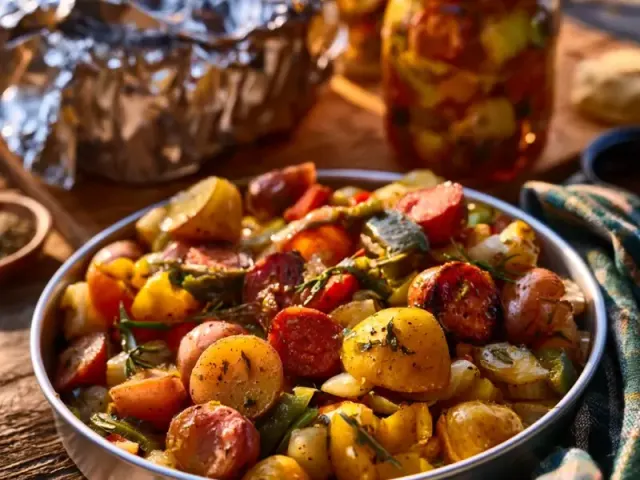
Make Ahead Camping Marinated Veggies Your Family Will Love
The first time I pulled a bag of these marinated veggies from the cooler at the campsite, the aroma of garlic and balsamic hit the smoke-filled air. My family gathered around the grill, watching the zucchini and peppers sizzle and char. That moment—simple, fragrant, communal—is exactly what make-ahead camping food should deliver.

Why This Method Works for Camping
These make ahead camping marinated veggies aren't just a side dish; they're a workhorse. The key is a marinade that does double duty: infuses flavor during the cooler ride, then creates a protective coating that prevents the vegetables from drying out over a hot fire. I keep the oil-to-acid ratio at roughly 2:1—two parts olive oil to one part balsamic vinegar. This gives enough acidity to tenderize without turning the veggies mushy, and enough oil to promote even browning.
The Vegetable Selection
Not all vegetables are created equal for this method. I stick with firm, water-dense options: zucchini, yellow squash, bell peppers, red onion, and cremini mushrooms. These hold their shape after marinating and grilling. Avoid anything too delicate like cherry tomatoes or eggplant—they break down too quickly. Cut everything into uniform 1-inch chunks or 1/2-inch rounds so they cook at the same rate.
The Marinade Technique
Here's where the real know-how comes in. I always mince the garlic finely—not crushed, not whole. Fine mince distributes evenly and sticks to the vegetables, ensuring every bite has a hint of garlic. Dried oregano works better than fresh for this application because it rehydrates in the oil and doesn't wilt or burn on the grill. Whisk the marinade first, then add the vegetables. Toss gently but thoroughly—every surface should glisten. The common mistake is not removing enough air from the bag before sealing. Air pockets create uneven marination. Press the bag flat, then seal.
Timing and Temperature
Two hours is the minimum marinating time. Overnight, up to 24 hours, is ideal. The vegetables absorb flavor without becoming limp. Keep the bag in the coldest part of your refrigerator, not the door. When packing for the campsite, nestle the bag in the cooler surrounded by ice packs. This keeps the temperature below 40°F. If you're camping in hot weather, consider double-bagging to prevent leaks that could contaminate other food.