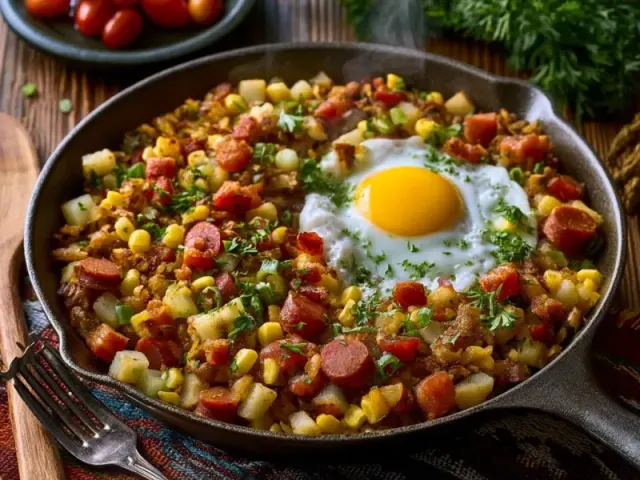
Hearty Camping Breakfast Hash Browns Recipe
The first sound of breakfast at camp is the sizzle of oil in a hot pan. That hiss, that pop, that promise of something golden and crisp. Hash browns are the backbone of a hearty camp breakfast—they fill the air with a savory aroma and give you the fuel for a day of hiking, swimming, or just lounging in a hammock. But getting them truly crispy, not soggy or burnt, takes a little know-how. Here's my method for making them right every time, whether you're on a camp stove, a grill, or an open fire.

The Secret to Crispy Hash Browns
It's all about moisture removal. Potatoes are mostly water, and if you don't get that water out, your hash browns will steam instead of sear. I grate the potatoes and onion together, then wrap the shreds in a clean kitchen towel and twist hard over a bowl. You'll see a milky liquid come out—that's starch and water. The drier the mix, the crispier the final crust. You can do this step at home up to 24 hours ahead and store the dry shreds in a sealed bag in your cooler. At camp, just dump them into the hot pan.
Choosing Your Potatoes and Fat
Russet potatoes are my go-to. Their high starch content gives that fluffy interior and crunchy exterior. Yukon Golds work too but yield a slightly denser texture. For fat, I use either olive oil or bacon fat. Bacon fat adds a smoky depth that pairs beautifully with the potato. If you're keeping it plant-based, olive oil or avocado oil works perfectly. Use enough to coat the bottom of the skillet generously—about 2 tablespoons for a 10-inch pan.
How to Cook Hash Browns on a Camp Stove
Heat your cast iron skillet over medium-high heat. You want it hot enough that a drop of water dances on the surface. Add the oil and let it shimmer. Spread the potato mixture in an even layer, about 1/2-inch thick. Press it down gently with a spatula. Here's the hard part: do not touch it for at least 8 minutes. Let it form a deep golden crust. Peek after 8 minutes—if it's pale, give it another 2 minutes. When the edges look brown and crispy, slide a spatula under to check. Flip in sections or as one large cake. Cook the other side for another 8-10 minutes. Total time: about 16-20 minutes.