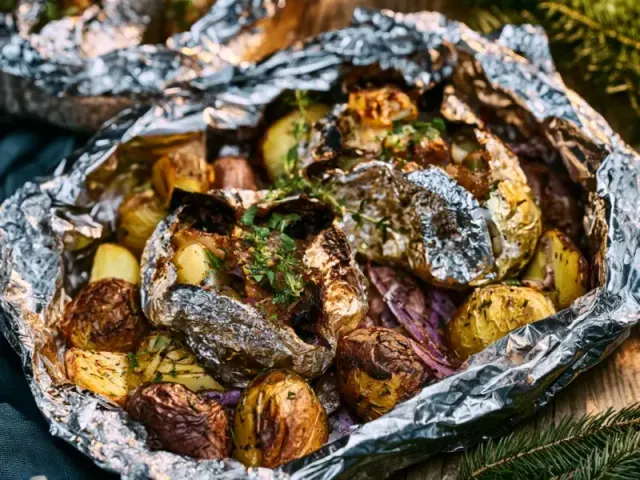
Foolproof Make Ahead Camping Foil Dinner Prep
The first time I prepped foil dinners at home, I packed them in my cooler and felt a small thrill of preparedness. No chopping at the campsite, no raw meat juice on the picnic table. Just sealed packets, ready to go. That’s the beauty of the make-ahead method: you do the messy work in your own kitchen, then simply cook and eat under the sky.

Why Make Ahead Matters
Foil dinners are a classic camping meal, but most people assemble them at the site. That means hauling a cutting board, a knife, and a bag of vegetables, then finding a clean surface. Prepping at home solves all that. You control the portions, the seasoning, and the seal. At camp, you just pull a packet from the cooler and put it on the coals. No fuss, no waste.
The Key Ratio: 2:1 Vegetables to Protein
I keep the ratio at 2 parts vegetables to 1 part protein by volume. That’s about 1 cup of chopped vegetables for every 1/2 cup of protein cubes. This ratio ensures the vegetables cook fully without drying out the meat. The vegetables release moisture as they steam, creating a gentle braising environment. If you use too much protein, the packet dries out. Too many vegetables, and you get a watery mess.
Choosing the Right Protein and Vegetables
Sturdy proteins work best: boneless chicken thighs, beef sirloin, salmon fillets, or firm tofu. Lean cuts like chicken breast can dry out unless you add a tablespoon of butter or oil to the packet. For vegetables, think firm and slow-cooking: bell peppers, zucchini, onions, carrots, potatoes (diced small), or cauliflower. Avoid watery vegetables like tomatoes or mushrooms unless you reduce the other liquids. I add a squeeze of lemon or a splash of vinegar to brighten the flavors without extra water.
How to Assemble a Leak-Proof Packet
Use heavy-duty foil, not the thin stuff. Cut each sheet to 12x18 inches. Place the protein and vegetables in the center, then bring the long edges together and fold them over twice, pressing firmly. Fold the short ends twice as well, like wrapping a present. Leave a little air space inside—about an inch—so steam can circulate. Then wrap a second sheet of foil around the first, in the opposite direction, and crimp again. This double wrap prevents leaks and helps the packet hold up to flipping on coals.
Packing and Storing for the Trail
Place the sealed packets flat in a single layer at the bottom of your cooler. Put a layer of ice packs on top, then another layer of packets if needed. Do not stack more than two high, or the bottom packets may get crushed. Keep the cooler closed as much as possible. The packets will stay safe for up to 24 hours. I label each packet with a permanent marker: “chicken & veg” and the date.
Cooking Over Coals: The Foolproof Method
For a campfire, let it burn down to medium-hot coals. You should be able to hold your hand 6 inches above the coals for 4-5 seconds. Place the packets directly on the coals, not in the flames. Cook for 10 minutes, then flip with tongs and cook another 10 minutes. For a camp stove or grill, cook over medium heat, covered, for 10-12 minutes per side. The packet should be puffed and hissing when done. To check, carefully open a corner and test the protein with an instant-read thermometer: chicken 165°F, beef 145°F, fish 145°F, tofu just hot throughout. Vegetables should be tender when pierced with a fork.
Common Mistakes and How to Avoid Them
- Overfilling the packet: Leave room for steam. If the packet is too full, it won’t seal properly and may burst. Stick to 1 1/2 cups of total filling per packet.
- Using thin foil: Regular foil tears on coals. Always double-wrap with heavy-duty foil.
- Not flipping the packet: Flip halfway through for even cooking. The side against the coals gets more heat.
- Opening too soon: Let the packet rest for 1 minute after cooking. The steam continues to cook the food and settles the juices.
Variations for Special Diets
For a keto version, use zucchini, bell peppers, and cauliflower with chicken or beef. Skip starchy vegetables like carrots and potatoes. For a vegan option, replace the protein with firm tofu or chickpeas. Add a tablespoon of olive oil to each packet for moisture. For gluten-free, ensure your seasonings and any sauces are certified gluten-free. Most dried herbs and plain oils are safe.
Food Safety at the Campsite
Keep raw packets separate from ready-to-eat foods in the cooler. Use a dedicated cooler for raw meat if possible, or place raw packets in a sealed plastic bag. Wash your hands after handling raw packets, and do not reuse the same plate or tongs for cooked food without washing. Cook to safe internal temperatures as noted above. If you are unsure of the cooler temperature, bring a small thermometer. Perishable food left above 40°F for more than 2 hours should be discarded.
Takeaway: Prepping foil dinners at home transforms camp cooking from a chore into a simple, satisfying ritual. The ratio, the double wrap, the coals—each step is a small technique that adds up to a hot, flavorful meal at the end of a long day outdoors. No cutting board needed. No cooler scramble. Just you, the fire, and a packet of dinner.
Frequently Asked Questions
Can I use regular foil instead of heavy-duty?
Heavy-duty foil is best because it resists tearing and holds up to the heat of coals. If you only have regular foil, double-layer it and be extra careful when flipping.
How long do foil packets last in a cooler?
Assembled packets with raw meat will stay safe for up to 24 hours if kept cold (below 40°F) in a cooler with plenty of ice packs. Do not leave them out at room temperature for more than 2 hours.
Can I cook foil packets on a camp stove?
Yes. Place packets in a covered skillet or directly on the stove grate over medium heat. Cook for 10-12 minutes per side, checking for doneness. The steam inside the packet does the cooking.
Make Ahead Camping Foil Dinner Base
A flexible, make-ahead foil dinner system: prep packets at home, keep cold in a cooler, cook over campfire coals or a camp stove. Perfect for any protein and vegetable combination.
- heavy-duty aluminum foil
- cutting board
- sharp knife
- cooler with ice packs
- campfire or camp stove
- tongs
- instant-read thermometer
- 1 lb boneless chicken thighs (or beef sirloin, firm tofu, or salmon)
- 2 cups chopped sturdy vegetables (bell peppers, zucchini, onions, carrots)
- 2 tbsp olive oil or melted coconut oil
- 1 tsp salt
- 1/2 tsp black pepper
- 1 tsp dried herbs (oregano, thyme, or rosemary)
- 1 tbsp lemon juice or apple cider vinegar
- 4 sheets heavy-duty foil (12x18 inches each)
- Prep the protein: Cut chicken thighs (or chosen protein) into 1-inch cubes. Pat dry with paper towels. Season with 1/2 tsp salt, 1/4 tsp pepper, and dried herbs. Set aside.
- Prep the vegetables: Chop sturdy vegetables into 1/2-inch pieces. In a bowl, toss with olive oil, remaining salt and pepper, and lemon juice.
- Assemble the packets: Lay one foil sheet shiny side up. Place a quarter of the protein in the center, then top with a quarter of the vegetables. Fold the foil in half over the filling, then crimp the edges tightly in a double fold, leaving a little air space inside for steam. Wrap a second sheet of foil around the packet in the opposite direction, crimping again for a leak-proof seal.
- Store the packets: Place assembled packets in a single layer in a cooler with ice packs. They will stay safe for up to 24 hours. Do not stack more than two high to prevent crushing.
- Cook over a campfire: Build a fire and let it burn down to medium-hot coals (you should be able to hold your hand 6 inches above the coals for 4-5 seconds). Place packets directly on coals. Cook for 10 minutes, then flip with tongs and cook another 10 minutes. For a camp stove or grill, cook over medium heat, covered, for 10-12 minutes per side.
- Check doneness: Carefully open a packet (watch for steam). Chicken should be 165°F internal, beef 145°F, fish 145°F, tofu just hot throughout. Vegetables should be tender when pierced with a fork.
- Serve: Slide the contents onto a plate or eat directly from the packet. Let cool before discarding foil.
Storage: Packets can be prepped up to 24 hours ahead and kept cold in a cooler. Do not freeze assembled packets; thawing will make vegetables soggy. For a gluten-free meal, ensure all seasonings are certified GF. For a vegan option, use firm tofu or chickpeas and skip the meat. For a keto option, use low-carb vegetables like zucchini, bell peppers, and cauliflower. Always wash hands and surfaces after handling raw meat. Keep raw packets separate from ready-to-eat foods in the cooler. Cook to safe internal temperatures: poultry 165°F, ground meats 160°F, beef/fish 145°F. For specific dietary needs, consult a qualified professional.
Recipe: Make Ahead Camping Foil Dinner Base
Equipment
- heavy-duty aluminum foil
- cutting board
- sharp knife
- cooler with ice packs
- campfire or camp stove
- tongs
- instant-read thermometer
Ingredients
- 1 lb boneless chicken thighs (or beef sirloin, firm tofu, or salmon)
- 2 cups chopped sturdy vegetables (bell peppers, zucchini, onions, carrots)
- 2 tbsp olive oil or melted coconut oil
- 1 tsp salt
- 1/2 tsp black pepper
- 1 tsp dried herbs (oregano, thyme, or rosemary)
- 1 tbsp lemon juice or apple cider vinegar
- 4 sheets heavy-duty foil (12x18 inches each)
Instructions
- Prep the protein: Cut chicken thighs (or chosen protein) into 1-inch cubes. Pat dry with paper towels. Season with 1/2 tsp salt, 1/4 tsp pepper, and dried herbs. Set aside.
- Prep the vegetables: Chop sturdy vegetables into 1/2-inch pieces. In a bowl, toss with olive oil, remaining salt and pepper, and lemon juice.
- Assemble the packets: Lay one foil sheet shiny side up. Place a quarter of the protein in the center, then top with a quarter of the vegetables. Fold the foil in half over the filling, then crimp the edges tightly in a double fold, leaving a little air space inside for steam. Wrap a second sheet of foil around the packet in the opposite direction, crimping again for a leak-proof seal.
- Store the packets: Place assembled packets in a single layer in a cooler with ice packs. They will stay safe for up to 24 hours. Do not stack more than two high to prevent crushing.
- Cook over a campfire: Build a fire and let it burn down to medium-hot coals (you should be able to hold your hand 6 inches above the coals for 4-5 seconds). Place packets directly on coals. Cook for 10 minutes, then flip with tongs and cook another 10 minutes. For a camp stove or grill, cook over medium heat, covered, for 10-12 minutes per side.
- Check doneness: Carefully open a packet (watch for steam). Chicken should be 165°F internal, beef 145°F, fish 145°F, tofu just hot throughout. Vegetables should be tender when pierced with a fork.
- Serve: Slide the contents onto a plate or eat directly from the packet. Let cool before discarding foil.