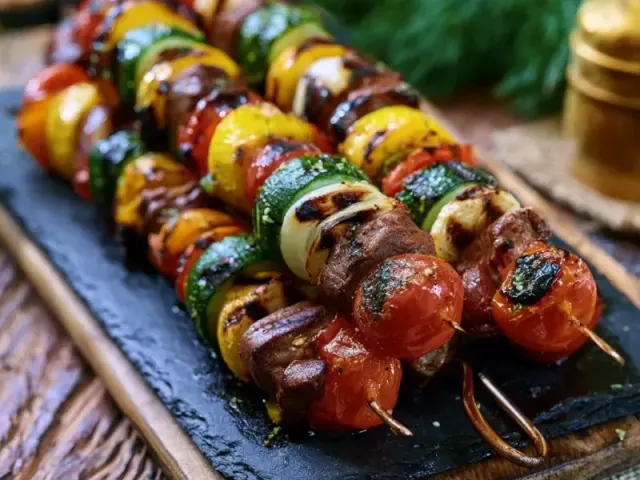
Foolproof Campfire Veggie Skewers That Actually Cook Evenly
The first time I tried veggie skewers over a campfire, I ended up with a sad collection of half-charred, half-raw chunks. The peppers were either black or crunchy. The zucchini was mush. It took me a few tries to figure out the real trick—and it’s not about the marinade. It’s about managing the fire and how you cut the vegetables.

Why Most Campfire Skewers Fail
The problem is almost always the same: high heat from flames scorches the outside before the inside has time to cook. Vegetables release water as they heat, and if the fire is too hot, that water evaporates too fast, leaving you with burnt edges and a raw center. The fix is simple: cook over glowing coals, not flames. And cut everything to the same size—1-inch pieces. This ensures each piece cooks at the same rate.
The Fire Setup That Works
Build your campfire at least 45 minutes before you plan to cook. Let it burn down to a bed of coals with no tall flames. You want medium-high heat: hold your hand about 6 inches above the coals. If you can keep it there for 4-5 seconds before it feels too hot, that’s your sweet spot. If you have a grill grate, place it directly over the coals. No grate? You can hold the skewers with long tongs or use a campfire toaster. Just keep them 4-6 inches above the coals.
Soak Your Skewers—Or Don't
Bamboo skewers need a 30-minute soak in water to keep them from catching fire. Metal skewers don’t, but they do get hot. I prefer metal for even heat transfer, but bamboo works fine if you soak them. Either way, leave a small gap between vegetable pieces so heat circulates evenly.