Simple Recipes to Make

Easy camp meals & family camping food

← Back to homeEasy Camping Yogurt Bark: Make Ahead, No Fridge Needed
Camp Meals

Easy Camping Yogurt Bark: Make Ahead, No Fridge Needed

By Jannah liza

The first time I packed yogurt bark for a trip, I worried it would turn into a soggy mess by lunch. But the trick is all in the ratio—three parts yogurt to one part coconut oil. That tiny bit of fat stabilizes the bark, so it stays crisp even after a few hours in the cooler. No fridge, no problem. This is make-ahead camping food at its most practical: one batch, one bag, and you've got breakfast or a snack that feels like a treat.

Hands spreading yogurt mixture onto a parchment-lined baking sheet before freezing

Why This Method Works

Yogurt bark is simple, but the standard recipe fails on the trail because it melts too fast. The coconut oil raises the melting point of the mixture, so the bark holds its shape longer. The key number: 3:1 yogurt to oil by volume. For every one cup of yogurt, use one tablespoon plus one teaspoon of coconut oil. That's enough to add stability without making the bark greasy. Full-fat Greek yogurt is non-negotiable here—the extra protein and fat create a creamy texture that freezes solid without ice crystals. If you use low-fat or regular yogurt, the bark will be icy and crumble.

The Freezing and Packing Process

Spread the mixture no thicker than 1/4 inch on a parchment-lined baking sheet. Thicker bark takes longer to freeze and breaks into chunks rather than shards. Freeze flat for at least four hours—overnight is better. The bark should be rock-solid, with no give when you press it. Once frozen, lift the parchment and break the bark into pieces. I aim for pieces about the size of a playing card. Too small and they melt faster; too large and they're awkward to eat.

Transfer the pieces to a single resealable freezer bag. Squeeze out as much air as possible before sealing. Then pack that bag into your cooler, burying it under ice packs or frozen water bottles. The bark acts as an extra ice pack for the first few hours. Keep the cooler closed as much as possible. In a well-packed cooler, the bark stays frozen for six to eight hours. After that, it softens but stays cold enough to eat safely.

Toppings That Travel Well

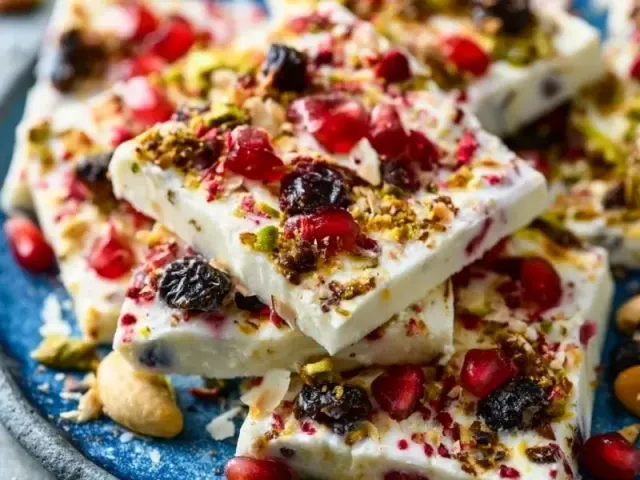
Fresh berries work best—blueberries, raspberries, or sliced strawberries. Frozen berries are fine, but they release more moisture as they thaw, which can make the bark sticky. Avoid syrupy fruits or jam swirled in; the sugar lowers the freezing point and creates a mess. For crunch, use unsweetened shredded coconut and chopped nuts like almonds or pecans. Seeds—pumpkin or sunflower—are a good nut-free option. Press toppings gently into the yogurt before freezing so they don't fall off when you break the bark.

Common Mistake: Skipping the Oil

I tried making bark without coconut oil once. It froze fine at home, but within an hour in the cooler it was a puddle. The oil is not optional—it's the structural backbone. Melt it gently, then let it cool until it's warm but not hot. If you add hot oil to cold yogurt, the yogurt can seize and become grainy. Whisk the oil into the yogurt slowly, in a thin stream, until fully incorporated. You won't taste the coconut if you use refined coconut oil; unrefined adds a mild coconut flavor that pairs well with berries.

Adapting for Special Diets

For a vegan version, use full-fat coconut yogurt from a tub (not a drinkable carton). The coconut oil is already vegan, so the ratio stays the same. For keto, swap the honey or maple syrup for a monk fruit or stevia-based sweetener that measures like sugar. Use unsweetened coconut and skip any dried fruit. For gluten-free, all ingredients here are naturally gluten-free, but double-check your vanilla extract and any packaged toppings. As with any dietary change, consult a qualified professional for personal advice.

On the Trail: Serving and Safety

Eat the bark straight from the bag—no bowl, no spoon, no cleanup. It's a hand-held snack that works for breakfast or a mid-hike energy boost. The bark will soften after about 30 minutes at room temperature, so eat it quickly or return it to the cooler. Do not leave it out longer than that; perishable dairy (or coconut yogurt) should stay below 40°F. If the bark thaws completely, it becomes a sticky, messy paste. It's still safe to eat if it's been kept cold, but the texture is gone. Better to pack only what you'll eat in one sitting and keep the rest frozen.

Takeaway

Easy camping yogurt bark comes down to one ratio and one rule: 3:1 yogurt to coconut oil, and keep it frozen until you're ready. No fridge, no fire, no fuss. Make it at home, pack it in a cooler, and you've got a cold, crunchy snack that feels like a luxury on the trail.

Frequently Asked Questions

Can I use flavored yogurt instead of plain?

Yes, but reduce the sweetener by half because flavored yogurt already has added sugar. Greek yogurt works best for thickness—regular yogurt makes the bark icy and less creamy.

How long does yogurt bark last in a cooler?

Properly packed with ice packs, the bark stays frozen for 6-8 hours. After that, it may soften but is still safe to eat if kept cold (below 40°F). Do not refreeze thawed bark.

What if I don't have a freezer before camping?

Freeze the bark at home, then transfer it to the cooler right before you leave. The bark acts as its own ice pack. Keep the cooler in the shade and avoid opening it often.

Can I make this dairy-free?

Yes. Use full-fat coconut yogurt (the thick kind, not a drink) and follow the same steps. The coconut oil helps the dairy-free version hold together better.