Simple Recipes to Make

Easy camp meals & family camping food

← Back to homeBest Make Ahead Camping Meatballs (No Fridge)
Camp Meals

Best Make Ahead Camping Meatballs (No Fridge)

By Alisia Redson

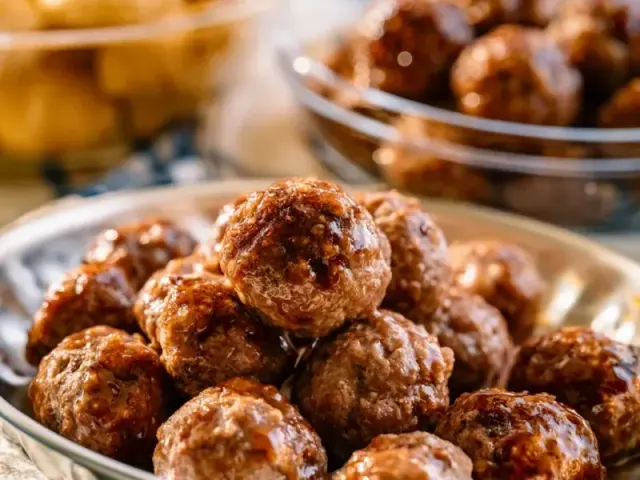
There's a specific moment when you open your pack at the end of a long hike and the smell hits you. Not the pine or the dust — but the faint, savory promise of something you made days ago. That's what these meatballs deliver. No cooler. No ice. Just a container of perfectly seasoned, fully cooked meatballs that only need a few minutes over heat to come back to life.

Cast iron skillet with meatballs sizzling over a campfire grate

Why Make Ahead Meatballs Work for No-Fridge Camping

The trick is in the technique. I bake the meatballs fully at home, then cool them completely before packing. This kills surface bacteria and removes excess moisture — the two things that cause spoilage. The result is a shelf-stable protein that travels well for up to eight hours in mild weather. No soggy mess, no worry.

The ratio matters. For every pound of ground beef (80/20 is ideal — enough fat to stay moist, not so much it goes rancid), I use one egg, half a cup of almond flour, and a quarter cup of finely grated Parmesan. The almond flour absorbs moisture without making the meatballs heavy, and it holds together better than breadcrumbs when reheated. If you're not gluten-free, fine breadcrumbs work, but they'll soak up more liquid and need a slightly shorter cook time.

The Home-Cook Method: Bake, Don't Fry

Baking gives you even cooking and a dry exterior. I set the oven to 400°F (200°C) and line a baking sheet with parchment. The meatballs go on in a single layer, about an inch apart. After 18 minutes, I check the internal temperature with an instant-read thermometer. It should read 160°F (71°C). The tops will be lightly browned, and the edges will have tiny sizzling bubbles of fat.

Here's the common mistake: pulling them out too early because they look done on the outside. The center needs that full temperature to ensure safety for no-fridge travel. If you're at altitude (above 5,000 feet), add 2-3 minutes to the bake time and check again.

Cooling is just as critical. I let them sit on the baking sheet for a full 30 minutes. The residual heat finishes the cooking, and any steam escapes rather than condensing inside the container. If you pack them warm, you create a humid environment where bacteria thrive. Patience here saves you at camp.

Packing for the Trail: Dry and Stacked Right

Once cool, I transfer the meatballs to a clean, dry container — a wide-mouth plastic jar or a reusable silicone bag works well. I line the bottom with a paper towel to catch any residual oil. Then I layer the meatballs no more than two deep. A third layer crushes the ones below and traps moisture. I cover the top with another paper towel before sealing. No sauce yet. Sauce ferments quickly without refrigeration. I pack a small separate container of tomato sauce or pesto to add at camp.

For trips longer than eight hours or in hot weather (above 75°F/24°C), I use an insulated bag with a small ice pack. The meatballs stay cold without being wet. If you're hiking in direct sun, keep the container in the center of your pack, away from the hot outer walls.

Reheating at Camp: Skillet or Foil

Skillet Method (Camp Stove or Coals)

Heat a cast iron skillet over medium heat. Add two tablespoons of water or broth — just enough to create steam. Add the meatballs in a single layer, cover, and let them heat for 5-7 minutes. Shake the pan occasionally to roll them around. They're ready when the internal temperature hits 165°F (74°C) and the surface is glossy with moisture. The steam rehydrates them without making them greasy.

Foil Packet Method (Campfire or Coals)

Place four to five meatballs on a sheet of heavy-duty foil. Add one tablespoon of water or sauce. Fold the foil into a tight packet, crimping the edges. Place the packet on hot coals (not open flame) for 8-10 minutes, flipping once halfway. Use tongs to handle the hot foil. Let it rest for one minute before opening — steam is hot enough to burn skin.

Adapting for Special Diets

For keto, the almond flour and full-fat beef keep carbs low. For gluten-free, almond flour or certified gluten-free breadcrumbs work. For dairy-free, omit the Parmesan and add a tablespoon of nutritional yeast for umami. For egg-free, use a flax egg (1 tablespoon flaxseed meal mixed with 3 tablespoons water, rested for 5 minutes). The texture will be slightly more delicate, so handle gently when rolling.

If you're using ground turkey or chicken, add a tablespoon of olive oil or a grated zucchini (squeezed dry) to the mix. These lean meats dry out faster. Cook to 165°F at home, and reheat with extra liquid at camp.

Safety Note

Cooked meatballs should not sit in the danger zone (40°F-140°F) for more than two hours total. That includes the time they spend cooling at home, traveling in your pack, and sitting before reheating. Plan your timeline so the meatballs are eaten within eight hours of leaving your kitchen. If you're unsure, pack an ice pack. When in doubt, throw it out — the smell and texture will tell you.

Takeaway: These meatballs are a study in controlled moisture and temperature. Bake fully, cool completely, pack dry, reheat with steam. Follow that sequence, and you'll have a hot, satisfying dinner at camp without a cooler or a fire that needs tending.

Frequently Asked Questions

Can I freeze these meatballs for longer camping trips?

Yes. After baking and cooling completely, place the meatballs in a single layer on a baking sheet and freeze for 1 hour. Transfer to a freezer-safe bag or container. Pack them frozen in an insulated cooler; they will thaw gradually and stay cold for 24-48 hours depending on conditions. Reheat at camp as directed, ensuring internal temperature reaches 165°F.

What if I don't have an oven at home?

You can pan-fry the meatballs at home. Heat 2 tablespoons of oil in a large skillet over medium-high heat. Cook meatballs in batches, turning occasionally, for about 10-12 minutes total, until browned on all sides and internal temperature reaches 160°F. Drain on paper towels and cool completely before packing.

How do I keep the meatballs from drying out when reheating at camp?

The key is adding a small amount of liquid — water, broth, or tomato sauce — when reheating. For a skillet, add 2 tablespoons of water and cover to steam. For foil packets, add 1 tablespoon of water per packet and seal tightly. The steam rehydrates the meatballs without making them soggy.

Can I use ground turkey or chicken instead of beef?

Yes, but turkey and chicken are leaner and can dry out. Add 1 tablespoon of olive oil or grated zucchini (squeezed dry) to the mixture to retain moisture. Cook to an internal temperature of 165°F at home, and reheat gently at camp with extra liquid.

How long can I keep these meatballs without refrigeration?

At temperatures below 75°F (24°C), they are safe for up to 8 hours. If the weather is hotter, use an insulated bag with an ice pack, or plan to eat them earlier. Always check that they smell and look normal before eating.